Performance marketing strategist in Bangladesh. Anyone can run ads, fewer can build the campaign strategy that makes them pay back.

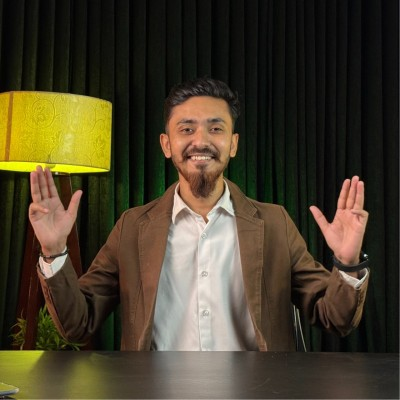
I'm Md Morshed Parvej Patwary. I build the offer, the audience, the creative angle, and the funnel before a single dollar hits Meta, Google, or LinkedIn. Then I run the account personally for Bangladeshi founders and international SMB, DTC, B2B service and SaaS teams. Strategy first, execution by the operator you hired, no junior handoff.
Free · ~30 min · written summary · no pitch deck · you keep account ownership
One-person studio. Senior operator on your account. No juniors.
- Experience
- 6+yrs
- Volume
- 1,300+
- Channels
- Meta.
Google.
LinkedIn.
Paid media
2019 → 2026
Campaigns
shipped live
BD + global
brands
The Gap
Most businesses don't lose money because ads don't work.
They lose money because they can't see what is working. Six patterns keep appearing across audits.
- 01
Clicks without qualified leads
Traffic looks healthy in the ads dashboard, but the sales team keeps calling the pipeline thin.
- 02
Spend without attribution
You can see budget leaving the account. You can't see which channel returned it.
- 03
Broken measurement stack
Meta Pixel, GA4, GTM, CAPI: half configured, quietly under-reporting for months.
- 04
Leaky landing pages
Ad clicks arrive at pages that were built for a brochure, not a conversion.
- 05
Reports without decisions
Weekly PDFs full of numbers. None of them answer scale, pause, or fix.
- 06
No thesis for the next dollar
Every campaign is a guess dressed as a plan.
Services / Index
Ten disciplines, one operator.
Campaigns, measurement, funnels, creative, and consulting: each built around the specific decision your account can't currently make.
Facebook & Instagram for lead-gen, ecommerce, retargeting, and creative testing at scale.
02Google Ads ManagementHigh-intent Search, tight tracking, and LP alignment for cost-efficient lead & sales growth.
03B2B LinkedIn Marketing & AdsQualified pipeline, decision-maker reach, and brand authority: built for B2B economics.
04Tracking & AnalyticsGA4, GTM, Meta Pixel, CAPI, UTM structure, and reporting clarity you can actually decide on.
05Funnel & Landing Page CROMessaging, offer clarity, forms, trust, and conversion paths: repaired end to end.
06Performance ConsultingStrategic direction for founders, agencies, and in-house teams needing sharper growth decisions.
07Performance Creative StrategyHook testing, static & motion direction, weekly review cycles tied to campaign objectives.
08Remote Growth RetainerOngoing performance support for BD and international teams that need a reliable partner.
09Growth AuditFocused review of campaigns, tracking, funnel flow, and bottlenecks, before you scale budget.
10Ecommerce & ROAS GrowthShopify, WooCommerce, D2C: lower CPP, lift ROAS, scale winning products without burning budget.
Process
Diagnose. Fix. Launch. Optimize. Scale.
The five steps below sit on top of a written campaign plan: offer, audience, creative angles, funnel, and measurement, decided before a single dollar spends.
Read the 5-layer campaign methodDiagnose
Ads, LPs, tracking, funnel, data: mapped end to end to find the real growth leaks.
Fix
Campaign structure, measurement stack, LP flow, messaging, and conversion paths: repaired.
Launch
New or rebuilt campaigns with clean objectives, tracking, copy, and audience or keyword logic.
Optimize
Cut waste, iterate creative, test LP changes, double down on what the data actually rewards.
Scale
Budget or campaign expansion: only where the data shows a clear path to profitable growth.
Proof
Numbers, not narratives.
Three engagements, three different economics. Same discipline: campaign clarity, honest measurement, and a funnel that earns its budget.

One-person studio. Every number below was executed by the same operator you'd be hiring.
01 · EdTech · Google Ads
1,180 course enrolments at ৳478 CAC via high-intent Search plus a five-variant landing-page test.
Google Ads · Bangladesh · 90-day window
Baseline CVR 4.1% → 11.4%
Read case02 · D2C Ecommerce
Scaled monthly ad spend 4.1× while holding a 5.7× blended ROAS with Advantage+ Shopping and server-side CAPI.
Meta + Google PMax · Dhaka / Chattogram · 12-week sprint · contracted at $50k/mo (USD, as-recorded)
CPA −38% vs. pre-engagement baseline
Read case03 · Swisscontact · Lead-Gen
6,400+ qualified vocational-training leads at ৳41 CPL through a three-stage Meta funnel and clean CAPI.
Meta Ads · Gazipur / Narayanganj / Chattogram · 6-week window
CPL −41% inside first 6 weeks of optimisation
Read caseRecommendations · Verified on LinkedIn
01 / 03
As Morshed's Team Lead, I worked closely with him and watch his growth as a digital marketer. He consistently approached his responsibilities with sincerity, curiosity and a strong willingness to learn. What I appreciated most was that he never hesitated to take ownership of his work and was always open to feedback, using it as an opportunity to improve rather than simply complete a task. Morshed has a balanced approach to digital marketing; he understands that good ideas need thoughtful execution and pays attention to the details that often make the difference. He's dependable, collaborative and maintains a positive attitude even when working under pressure. Beyond his skills, he's someone who contributes positively to a team culture. I believe he has the mindset and work ethic to keep growing and I'm confident he'll be a valuable asset to any organization fortunate enough to have him. I wish him continued success in the journey ahead.
Common questions
Answers before the call.
The questions founders and marketing leads ask most often, answered straight. If yours is not here, put it in the message field below.
01
Who is Morshed Parvej Patwary and what does he do?
Morshed Parvej Patwary is a senior solo performance marketer based in Dhaka, Bangladesh. He runs paid media strategy and execution across Meta Ads, Google Ads and B2B LinkedIn Ads, plus the tracking, funnels and CRO needed to make that spend measurable. Six plus years of hands-on media buying, over 1,300 campaigns shipped live for brands in Bangladesh and worldwide.
02
How is a solo specialist different from an agency?
You work directly with the person running your account. No junior handoffs, no account manager translating between you and the media buyer, no retainer paying for overhead. Faster decisions, cleaner attribution, and a written thesis behind every dollar spent.
03
What does a Free Growth Audit include?
A 30 minute working session plus a written summary. I audit your ad accounts, tracking stack (Pixel, GA4, GTM, CAPI), landing pages and reporting cadence, then send back the three highest impact fixes with an honest read on whether we should work together. No pitch deck, and you keep full account ownership either way.
04
Do you work with clients outside Bangladesh?
Yes. Roughly half of active engagements are remote for founders and marketing leads in the US, UK, EU, UAE and Singapore. Communication runs on Slack or email plus a weekly Loom, and reporting is timezone friendly. Invoicing supports USD, GBP, EUR and BDT.
05
Which channels do you actually run?
Meta Ads (Facebook and Instagram), Google Ads (Search, Performance Max, YouTube, Demand Gen) and LinkedIn Ads for B2B. Tracking work covers GTM, GA4, Meta CAPI, server side GTM and Shopify. I do not run TikTok, programmatic display or influencer campaigns as a primary channel.
06
What is the typical engagement and pricing?
Three formats: a one time audit, a 60 to 90 day fix and launch sprint, or a monthly retainer for ongoing media management. Retainers start in the mid four figures USD per month depending on ad spend and channel mix. Every scope is written, fixed price, and cancellable with 30 days notice.
07
How quickly can we start?
Discovery call within 48 hours of your enquiry. If we agree to move ahead, kickoff usually lands 5 to 10 business days later once access, tracking and creative inputs are in place. Urgent launches can start sooner when the account is already set up.
Next step
Let's find what your ad spend is actually doing.
A short message is enough. I'll reply within 24 hours with either an audit slot or a clear no.